Leather Digital Paper: The Ultimate Texture Background
In the world of digital design, texture is the secret ingredient that separates flat, lifeless compositions from those that feel tangible and rich. If you are looking to inject a sense of heritage, luxury, or rugged sophistication into your projects, Leather Digital Paper is an indispensable asset. This isn't just a pattern; it is a high-resolution tool designed to simulate the authentic look and feel of real hide. Whether you are a graphic designer working on a corporate identity or a crafter creating a personalized gift, these textures provide a versatile foundation for creativity.
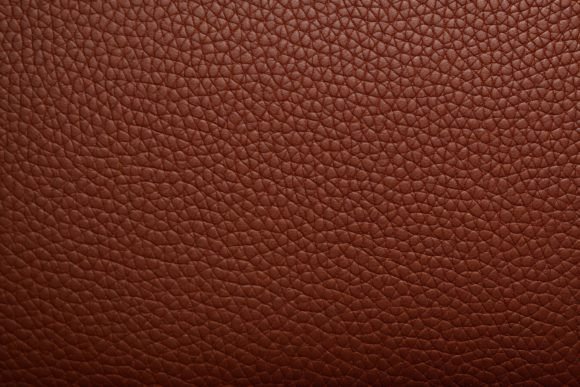
The visual characteristics of high-quality leather are unmistakable. You can almost feel the grain, the subtle variations in color, and the way light catches the ridges and valleys of the material. This particular leather texture background offers that exact sensory experience in a digital format. It carries a personality of durability and timelessness. Unlike fleeting design trends, leather never goes out of style. It communicates value immediately, making it a powerful tool for anyone looking to enhance their visual storytelling.
Transforming Visuals with Authentic Texture
One of the most practical applications for Leather Digital Paper is in the realm of mockups and product presentation. If you are selling a physical product, placing your label or logo against a leather background instantly elevates the perceived value. Think about the packaging for men’s grooming products, artisanal coffee, or high-end stationery. When the background texture matches the quality of the product, it creates a cohesive narrative. This is where the file details become crucial: with a 3000×2000 px size, 300 DPI resolution, and RGB color space, this asset is built for professional-grade output. You can scale it for large website banners or print it on high-quality flyers without losing the sharpness of the grain.
For entrepreneurs and small business owners, branding consistency is key. Using a specific texture across your digital presence helps build recognition. Imagine using this leather background for your Instagram story highlights, your Facebook cover photo, and your email newsletter headers. The consistent use of the texture ties your brand identity together. It signals to your audience that you pay attention to details. It works exceptionally well for brands that want to project an image of craftsmanship, tradition, or masculine elegance. However, it is also versatile enough to be used in feminine designs, especially when paired with soft typography and floral elements to create a vintage aesthetic.
Practical Applications for Designers and Creators
When it comes to typography and layout, texture plays a significant role in readability and visual hierarchy. A busy background can sometimes overwhelm text, but a well-structured leather texture often has a natural "noise" that can actually help text pop if handled correctly. When using Leather Digital Paper, consider the contrast. White or cream text tends to look stunning against darker, richer browns or blacks, mimicking the look of embossing or engraving. For lighter leagues, deep charcoal or navy blue serif fonts can ground the design.
Here are a few specific scenarios where this asset shines:
- Digital Invitations: Perfect for "Speakeasy" themed parties, weddings with a rustic vibe, or corporate galas that require a formal touch.
- Web Design: Use it as a header background for a law firm’s website, a vintage car blog, or a portfolio for a photographer specializing in moody portraits.
- Social Media Graphics: Create quote cards that look like they are printed on leather-bound journals. This adds a layer of gravitas to the words you are sharing.
- Print Materials: Business cards, menus for steakhouses or whiskey bars, and book covers all benefit from the tactile illusion this digital paper provides.
From a technical standpoint, the JPG file format ensures broad compatibility with virtually all design software, from Adobe Photoshop and Illustrator to Canva and Procreate. The RGB color mode is optimized for screens, ensuring that the colors remain vibrant and true-to-life on monitors, tablets, and smartphones. If you are planning to use this for print, you will want to convert the color profile to CMYK to ensure the ink renders correctly, but the high resolution means the details won't get lost in the conversion.
Enhancing Brand Perception and Engagement
Why does texture matter so much in modern design? In a digital age dominated by flat design and minimalist interfaces, a tactile element like leather creates a focal point. It breaks the monotony. When a user lands on a website featuring a leather texture background, their brain immediately associates it with physical objects. This can increase the time they spend looking at your content because it feels more "real."
For content creators and bloggers, this resource is a game-changer for staging photos. If you are a jewelry maker or a watch enthusiast, using this digital paper as a surface for your flat-lay photography provides a professional studio look without the expense of buying physical props. You can simply overlay your product photos onto the texture to create a seamless composition. It is also an excellent choice for digital planners. If you sell digital downloads for tablets like the iPad, offering a leather-bound cover option makes your product feel premium and luxurious.
Ultimately, choosing the right background is about matching the medium to the message. If your message is one of quality, durability, and sophistication, Leather Digital Paper is the right medium. It provides a strong foundation that supports your content rather than distracting from it. It allows your typography—whether it is a bold display font for a headline or a delicate script for a wedding invite—to sit comfortably within a rich, visual environment. By integrating this texture into your workflow, you are not just adding a pattern; you are adding a layer of professionalism and depth to your creative output.