Old Paper PNG Templates 2: A Designer's Guide to Authentic Texture
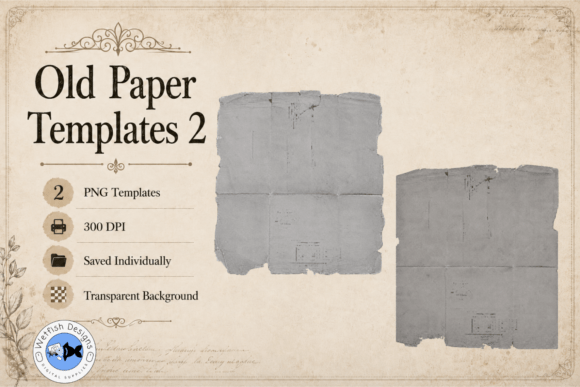
In the realm of digital design, authenticity is often found in the details. We strive to create visuals that feel tangible, layered, and rich with history. This is where high-quality design assets become invaluable. Old Paper PNG Templates 2 offers a specific solution for creators seeking that coveted vintage, weathered aesthetic. This collection includes two distinct grayscale PNG paper templates, each meticulously crafted to simulate the look and feel of aged paper. Think of them not as a font, but as a foundational texture—a display element for your background or a layering component that adds instant depth and character to any project.
Deconstructing the Aesthetic: More Than Just a Texture
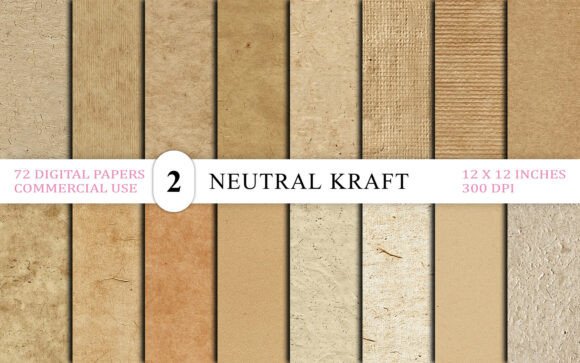
What sets this particular set apart is its nuanced visual personality. The templates feature uneven worn edges that mimic paper that has been handled, folded, and exposed to the elements over time. Subtle creases and fold lines are integrated into the design, providing a sense of dimension and realism that flat, digital textures often lack. You’ll also notice distressed markings—the kind of imperfections that tell a story. This isn't a pristine, sterile sheet; it’s a piece with a past. The overall old paper texture is rendered in grayscale, which is a critical feature for designers. This neutral base allows for seamless recoloring, blending, and customization, making it a versatile component in any designer's toolkit. Whether you're working in Photoshop, Affinity Photo, Procreate, or even Canva, these templates integrate smoothly, empowering you to clip papers, adjust blending modes, and build complex, layered compositions.
Practical Applications Across Creative Disciplines
The true value of a design asset like Old Paper PNG Templates 2 lies in its adaptability. It’s a workhorse element that can elevate projects across numerous fields. For junk journal enthusiasts and digital scrapbookers, these templates provide the perfect foundation for heritage layouts, allowing you to place photos, ephemera, and text onto a surface that feels authentically vintage. In mixed media art and collage, they serve as a unifying background layer that can be manipulated, torn, and blended with other elements to create cohesive, textured compositions.
For marketers and brand strategists, the applications are equally compelling. Consider using these textures in social media graphics to evoke a sense of nostalgia, craftsmanship, or timelessness. They are ideal for creating vintage backgrounds for promotional materials, printable papers for direct mail campaigns, or unique tags and labels for product packaging that aims for a rustic or artisanal brand identity. The templates can also be used to create journal cards, photo mats, and other ephemera that add a tactile quality to digital presentations or printed materials.
Integration into Your Workflow: A Practical Approach
When incorporating these templates, think of them as a starting point for your design's narrative. The grayscale format is your greatest asset here. In Photoshop, you can easily adjust the Hue/Saturation to apply a sepia tone, a cool blue tint, or any color that aligns with your project's palette. Use clipping masks to layer your own paper textures or color washes on top, or apply blend modes like Multiply or Overlay to integrate the texture seamlessly with your underlying design. The transparent background is key, allowing you to place the textured paper over any existing layout without a cumbersome white box around it.
For those focused on editorial design or publishing, these templates can enhance chapter headings, section dividers, or quote backgrounds, adding visual interest without distracting from the main content. In web design, a subtle application as a background texture can add warmth and character to a site, particularly for blogs, portfolios, or businesses in the food, craft, or heritage sectors. The key is subtlety—often, a lower opacity or a gentle blend is all that's needed to avoid overwhelming the viewer.
Evaluating Fit and Ensuring Cohesion
Before diving in, it’s wise to evaluate how this texture aligns with your project's goals. The aesthetic is inherently vintage and distressed, so it will naturally complement projects aiming for a retro, rustic, artistic, or handmade feel. It may be less suitable for ultra-modern, minimalist, or corporate designs that rely on clean lines and pristine surfaces. Always consider your typeface choices when using such a textured background. A clean, sans serif font can provide excellent contrast and ensure readability, while a serif font with moderate detail might harmonize well. Avoid overly ornate script fonts or handwritten fonts that could compete with the texture and reduce legibility.
When it comes to commercial font and asset usage, always review the licensing. Since Old Paper PNG Templates 2 is a digital download with no physical product, you are acquiring the right to use these files in your projects. Ensure the license covers your intended use, whether for personal crafts or client-based commercial work. A quick check provides peace of mind and professional integrity.
Ultimately, the power of a resource like Old Paper PNG Templates 2 is in its ability to shortcut the process of creating realistic, aged textures from scratch. It provides a consistent, high-quality foundation that can be endlessly customized, saving you time while elevating the visual and tactile quality of your work. It’s a practical tool for anyone looking to infuse their digital creations with the soul and story of physical paper.