Vintage Daisy Floral Junk Journal Pages: A Designer's Guide
The Enduring Appeal of Botanical Design Assets
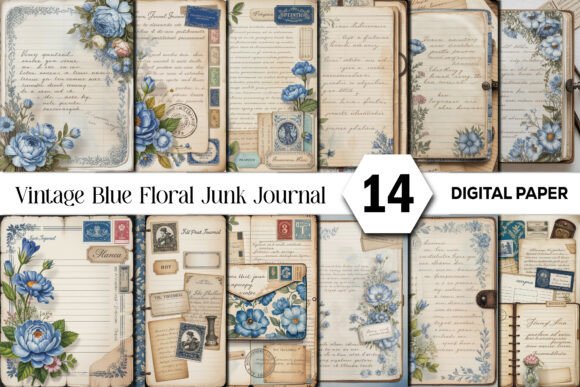
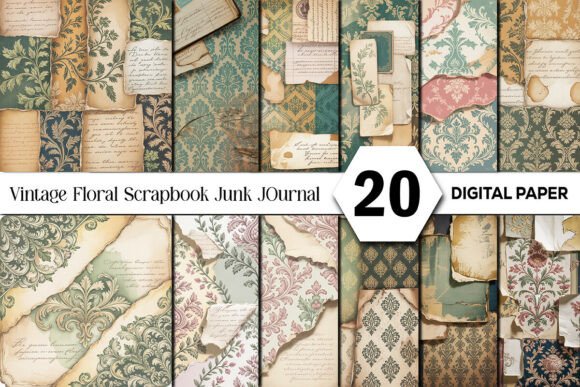
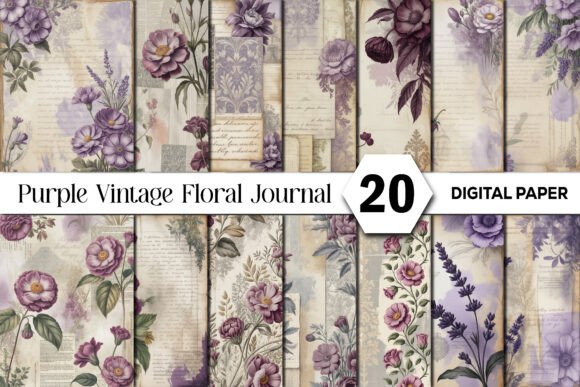
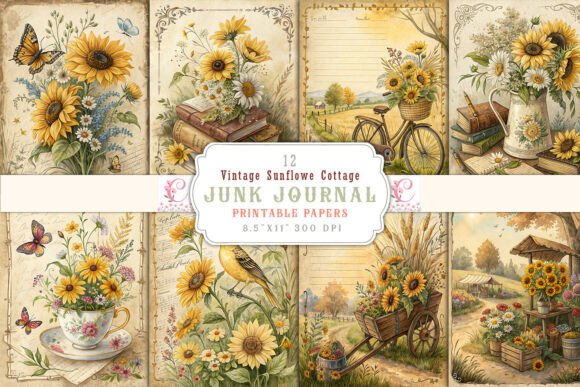
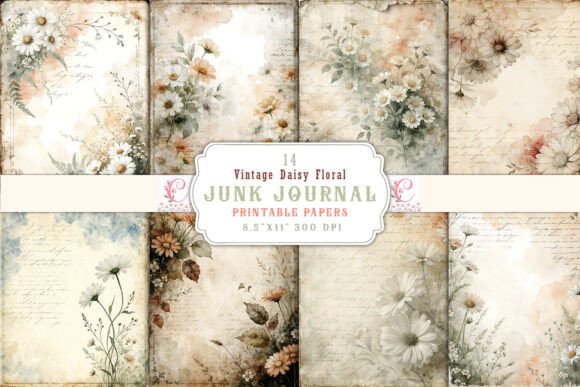
There's a distinct warmth to vintage botanical illustrations that modern, minimalist graphics often struggle to replicate. It’s a feeling of nostalgia, of quiet afternoons and handwritten letters. This is precisely the atmosphere captured by Vintage Daisy Floral Junk Journal Pages. These aren't just digital papers; they are a collection of textures and motifs designed to infuse projects with a gentle, organic, and timeless character. At their core, they are a set of high-resolution JPG files, meticulously designed to serve as foundational layers for a wide array of creative work.
The visual personality of this collection is one of soft elegance. Think of the delicate, imperfect lines of a pressed flower, the subtle aging of an old book page, and the simple, cheerful form of a daisy. The style leans heavily into a "lived-in" aesthetic, avoiding the sterile perfection of purely digital art. You'll find textures that mimic aged paper, watercolor washes that bleed softly at the edges, and floral arrangements that feel hand-arranged rather than algorithmically generated. This combination of elements creates a versatile design asset that feels both personal and professionally crafted, making it a valuable resource for anyone looking to add a layer of authentic vintage charm to their work.
Practical Applications for Creators and Brands
Understanding where these floral pages work best is key to unlocking their potential. Their primary strength lies in projects where texture, mood, and a handmade feel are paramount. For crafters and hobbyists, the applications are immediately clear. They form the perfect base for junk journal backgrounds, provide intricate layers for scrapbook layouts, and can be printed and cut to create ephemera-style inserts, tags, and handmade cards. The 8.5 x 11 inch dimension at 300 DPI makes them ideal for standard home printing, ensuring crisp, clear results for any physical craft project.
Beyond personal crafting, these pages offer significant value in professional and commercial contexts. A small business owner creating packaging for artisanal soaps or candles could use a subtle floral background to wrap their product, immediately conveying a sense of natural, handcrafted quality. A blogger or content creator can use them as backgrounds for social media graphics, adding visual interest to quotes, announcements, or recipe cards that stands out in a crowded feed. For entrepreneurs developing a brand identity, especially for a boutique, a florist, or a wellness brand, these assets can inform the entire visual language—from website backgrounds to the texture on a digital menu—building a cohesive and memorable brand perception.
Integrating Texture into Modern Design Work
The real-world value of a design asset like this is its ability to solve common creative problems. How do you make a digital invitation feel more personal? How do you add depth to a flat website layout? How do you ensure your brand feels approachable rather than corporate? The answer often lies in texture. The subtle grain and organic patterns within the Vintage Daisy Floral Junk Journal Pages provide that tactile quality digitally. When used as a background for web design, it can soften a layout and make it more inviting. In editorial design, it can frame text and images, guiding the reader's eye and enhancing the storytelling. This isn't about overwhelming a design, but about providing a rich, nuanced foundation that supports the core message.
Working with Floral Assets in a Professional Workflow
Effectively incorporating these pages into your projects requires a bit of practical guidance. First, consider the hierarchy of your design. A busy, detailed floral background might overwhelm small text. The solution is to use the asset thoughtfully. You could use a full-page background for a title card or a social media post where text is minimal. For pages with more content, consider using the floral element as a border, a header, or a faded, semi-transparent layer behind a solid-color text box. This creates visual interest without sacrificing readability, a crucial consideration in both web design and print.
Next, think about font pairing. The vintage, handwritten style of these pages pairs beautifully with certain typefaces. A clean, modern sans serif font can provide a striking contrast, making the text pop while letting the floral background shine. Alternatively, a classic serif font can complement the traditional feel, creating a harmonious and elegant look. For a more whimsical, personal touch, a simple script font can be used sparingly for headlines or accents. The key is to test combinations. Lay out a sample design with your chosen text and the floral background. Check the legibility at different sizes and ensure the overall mood aligns with your project's goal.
Finally, always be mindful of the file specifications and licensing. These are high-resolution JPG files, which are universally compatible with design software like Adobe Photoshop, Illustrator, Canva, and Procreate. The ZIP folder delivery is standard for digital assets, but it's always wise to ensure you have the tools to unzip the files before you begin. While the provided information focuses on the creative asset itself, any professional use, especially for commercial projects like client work or products for sale, requires a clear understanding of the usage rights. This ensures your work is not only beautiful but also legally sound, protecting your brand and your business.
In the end, the true worth of a creative asset like the Vintage Daisy Floral Junk Journal Pages lies in its versatility and the feeling it evokes. It’s a toolkit for anyone looking to move beyond generic templates and inject their work with personality, warmth, and a story. Whether you're designing a logo for a new brand, laying out a magazine feature, or simply creating a beautiful memory book for a loved one, these pages offer a direct path to a design that feels both timeless and deeply personal.