Ephemera Handwritten Script Wallpaper: Vintage Texture for Modern Design
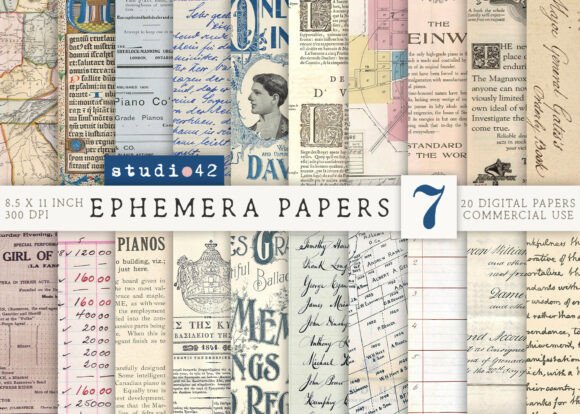
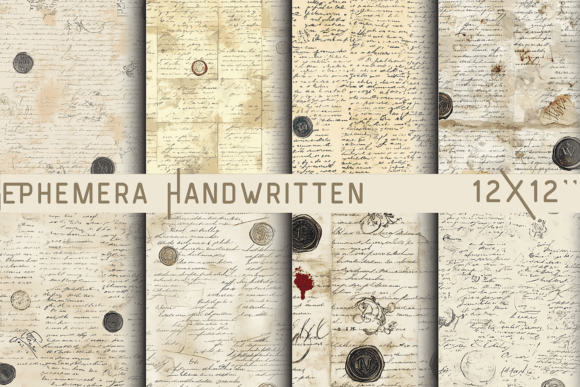
There’s a particular charm to old letters and manuscript pages—the kind that digital tools often struggle to replicate. The Ephemera Handwritten Script Wallpaper collection bridges that gap. It’s not a font in the traditional sense, but a set of 12 high-resolution backgrounds that provide the layered, textured foundation of antique ephemera. Each 12x12 inch, 300 DPI PNG file delivers the nuanced look of aged paper, faded ink, and handwritten script fragments, offering designers and crafters a sophisticated starting point for projects that demand a vintage, scholarly aesthetic.
Understanding the Visual Character
What makes this collection distinctive is its authentic, non-digital feel. The backgrounds feature opaque layers of sepia brown, warm beige, and antique cream, interspersed with faded ink black notes and muted grey textures. You’ll find authentic handwritten script elements, antique letter fragments, and collage details that look genuinely collected, not computer-generated. The personality here is one of quiet elegance, nostalgia, and intellectual depth. It’s a style that feels personal and historical, perfect for projects where you want to evoke a sense of story, craftsmanship, and timeless appeal.
Strategic Applications Across Creative Fields
The real value of the Ephemera Handwritten Script Wallpaper digital pack lies in its versatility as a design asset. Its applications extend far beyond simple scrapbooking, though it excels there. Consider its role in modern brand identity for businesses aiming for a heritage or artisanal feel. A boutique stationery brand, a specialty coffee roaster, or an independent publisher could use these textures as website backgrounds, social media post templates, or packaging design elements to build a cohesive, authentic visual language.
For editorial design and publishing, these backgrounds are invaluable. They can serve as chapter openers, pull-quote backdrops, or planner inserts for a vintage-themed journal. The high resolution ensures they remain crisp for print, while the PNG format offers flexibility for digital layouts. Content creators and bloggers can use them to create unique social media graphics that stand out in a feed dominated by clean, minimalist aesthetics. The key is to use them as a textured canvas upon which other modern typography—a clean sans serif font for body text, for instance—can be layered for contrast and readability.
Integrating Texture with Typography
When working with a textured background like this, font pairing becomes critical. The goal is harmony, not competition. The handwritten script elements within the wallpaper itself are decorative; overlaying another complex script font or ornate display font can create visual noise. Instead, pair these backgrounds with simpler, more legible typefaces.
- For Headlines: A sturdy serif font with good weight can anchor the design, providing structure against the organic texture.
- For Body Copy: A highly legible sans serif font or a clean premium font with open letterforms ensures readability. Always test your text at various sizes over the background to check contrast.
- For Accents: You might pull a single word or short phrase in a complementary script font that echoes, but doesn’t exactly match, the wallpaper’s style, using it sparingly for emphasis.
This approach influences visual hierarchy effectively. The texture sets the mood, while thoughtful type choices guide the viewer’s eye and ensure your message is communicated clearly. It’s a balance that enhances professionalism and audience engagement by offering visual richness without sacrificing function.
Practical Considerations for Selection and Use
Before integrating the Ephemera Handwritten Script Wallpaper into a project, a practical evaluation is necessary. First, consider the project’s tone. Is it right for a corporate annual report? Probably not. Is it ideal for a wedding invitation suite, a historical fiction book cover, or a coffee shop menu? Absolutely. The sepia and cream palette evokes warmth and history, which may not align with a brand built on futuristic or ultra-modern signals.
Next, assess the file specifications. The 12x12 inch, 300 DPI dimensions are standard for high-quality print projects and digital scrapbooking. The file sizes (8–18 MB) are substantial, reflecting the detail and resolution, so ensure your workflow and storage can handle them. Because the backgrounds are opaque, they work seamlessly as full backgrounds but require separate extraction if you wish to use any individual ephemera element as a standalone graphic.
Finally, think about consistency. Using one or two backgrounds from the set across a single project—like a series of social media posts or a multi-page journal—can create a cohesive look. Mixing all twelve randomly might dilute the intentional, curated feel that makes the collection powerful. By selecting the right background for your specific need and pairing it with complementary creative font choices, you can leverage this asset to build a memorable, textured, and genuinely engaging visual narrative.